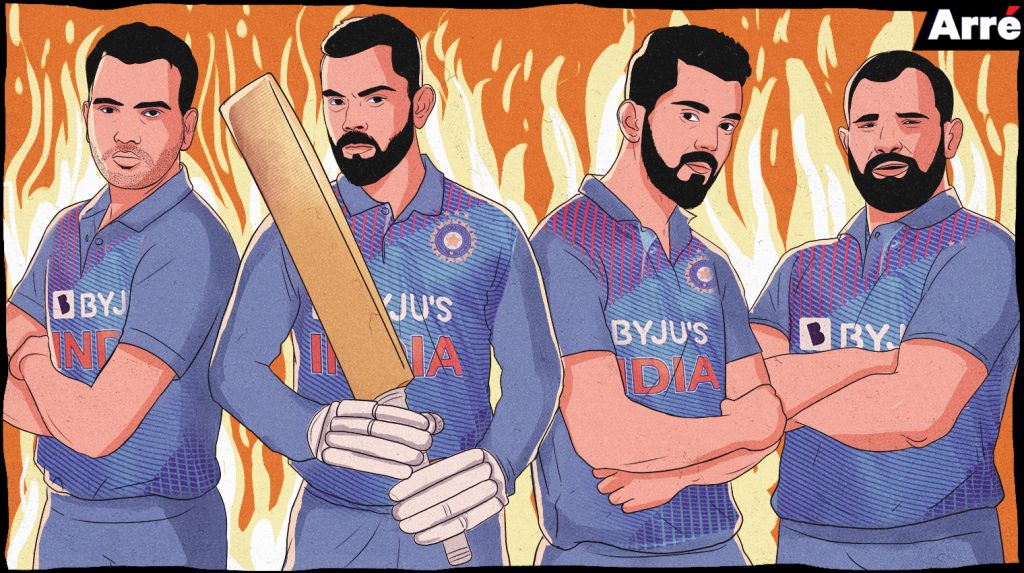
When you think Rohit Sharma, you think lazy elegance. At his best, his feet move like a ballerina dancer’s. On a bad day, he looks like a non-dancer at garba.
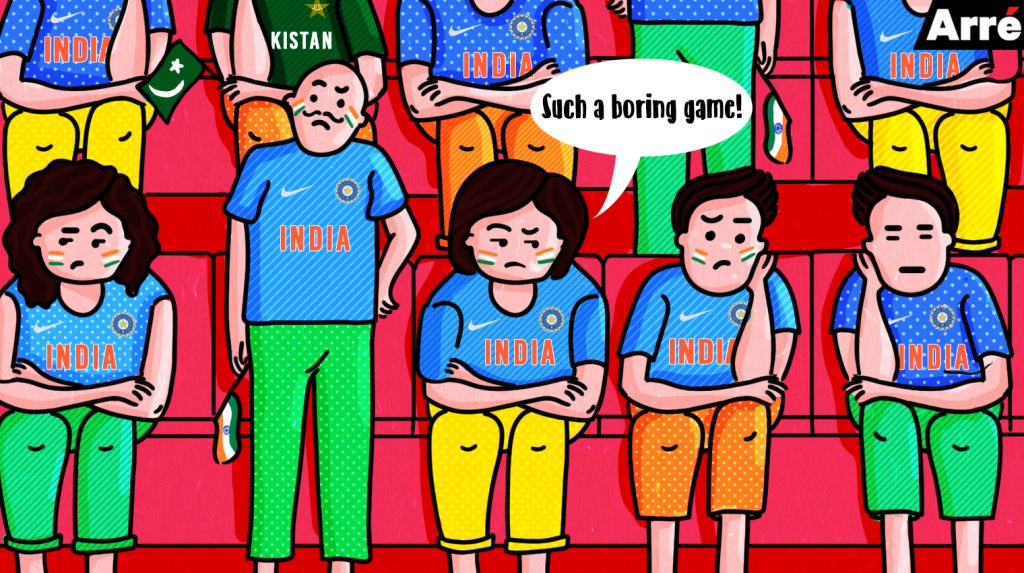
Like India’s foreign policy, an India-Pakistan cricket match was full of ups and downs. But that was back in the ’90s and to say things have changed would be an understatement. These days when India faces Pakistan, you often don’t even hear of the game until you have Cricinfo bookmarked.
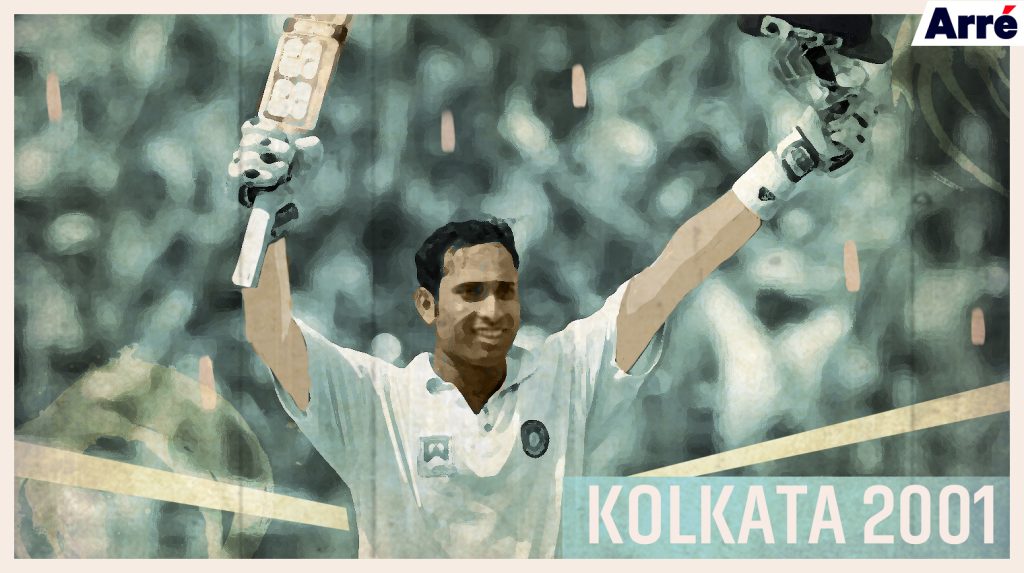
From March 11 to March 15, 2001, the greatest Test match ever to be played took place at Eden Gardens, where India beat Australia. The victory heralded a new beginning for Indian cricket, built on the back of self-belief, determination, and honour that had gone missing after the match-fixing scandal.
The World Cup, in its current form, is a tournament informed by a drive to protect the interests of the powerful sides – India, Australia, and England. Yet, they cannot do without the underdogs. In a World Cup shorn of interesting narratives, it was the challenge put forward by Afghanistan on Saturday that lit up the tournament.
No matter how offensive his action might seem to aesthetes, Lasith Malinga’s success has paved the way for fresh innovation in the art of bowling. Today as he plays his last ODI, he will be remembered for redefining what a fast bowler could be in an era where cricket itself is undergoing tectonic changes.
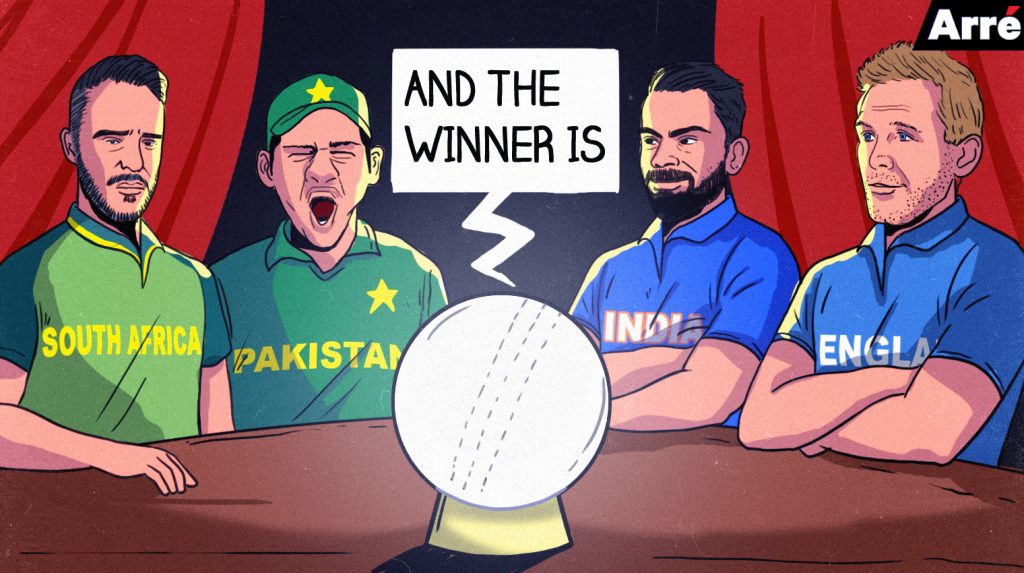
Halfway through cricket’s showpiece event, the grim reality is becoming clearer: the tournament, despite its magnitude, is as damp and predictable as the rains that are constantly lashing it. There are no last-over finishes, no upsets, just the top four teams cruising ahead.