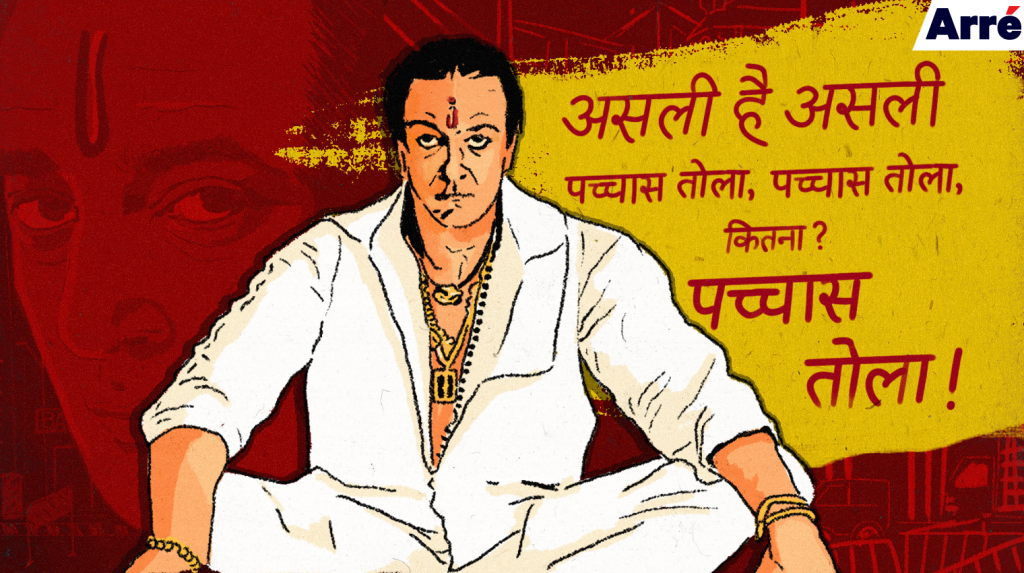
Years later, Munnabhai MBBS and most recently, Gully Boy, did what Vaastav set the trend for two decades ago – give Bollywood dialogues a coloquial veneer. Phrases like “pachaas tola” and words like “ghoda” remain a snapshot of what Mumbai is really like beyond the Queen’s Necklace and plush skyscrapers.
The intense buzz around Sanju begs a fascinating question: Is the film riding on Sanjay Dutt’s cult reputation or on Ranbir Kapoor’s acting prowess? Dutt’s colourful life guarantees that the battle is already half-won, but will it be Kapoor’s physical acting that takes the biopic toward the finish line?
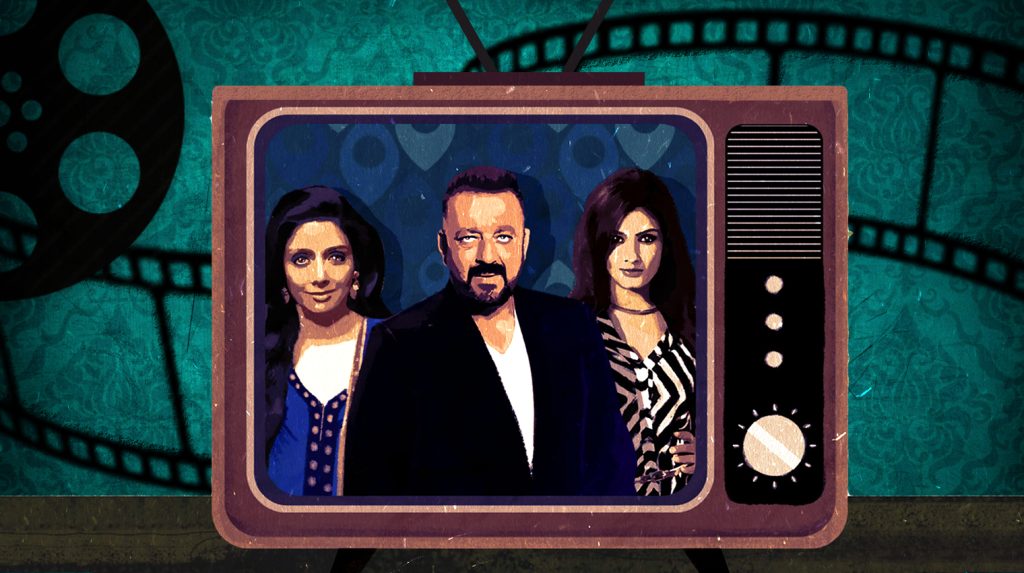
This was the year our rose-tinted memories of the glorious ’90s died. “Oonchi Hai Building” is permanently sullied by Varun Dhawan and we’ll never look at Govinda, Sridevi, and Sanjay Dutt the same way again.
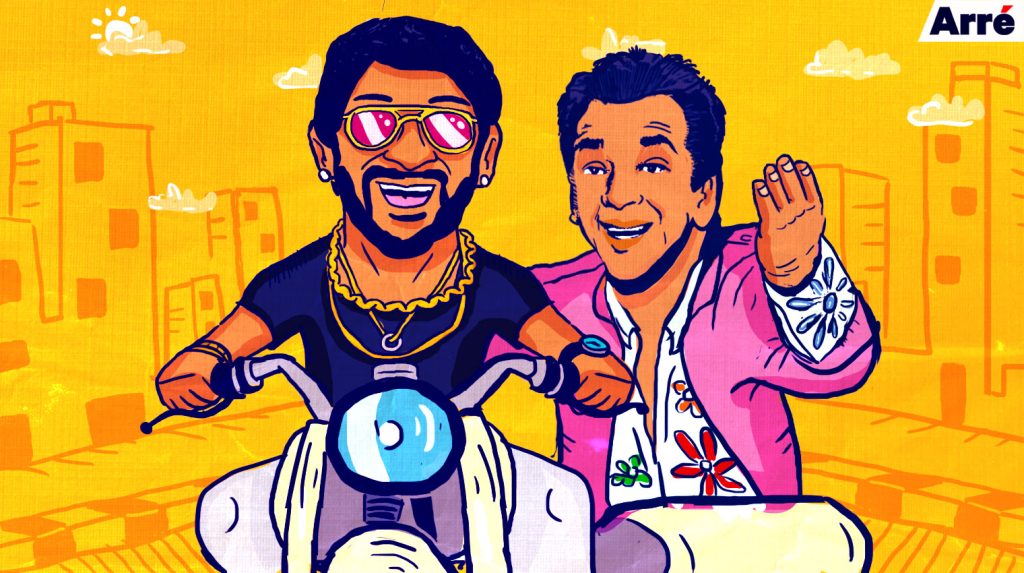
What happened to Munna and Circuit after the end credits of Lage Raho Munna Bhai? Munna has been seeking therapy after realising that he is more likely to get arrested for spreading Gandhigiri in 2018 than being a thug. Circuit – as was always evident – has become a politician.
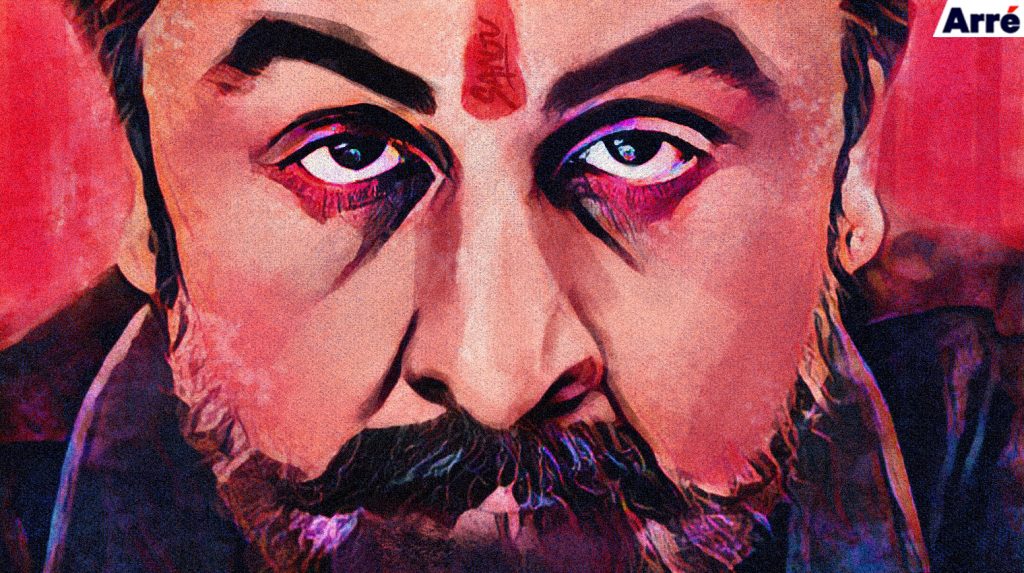
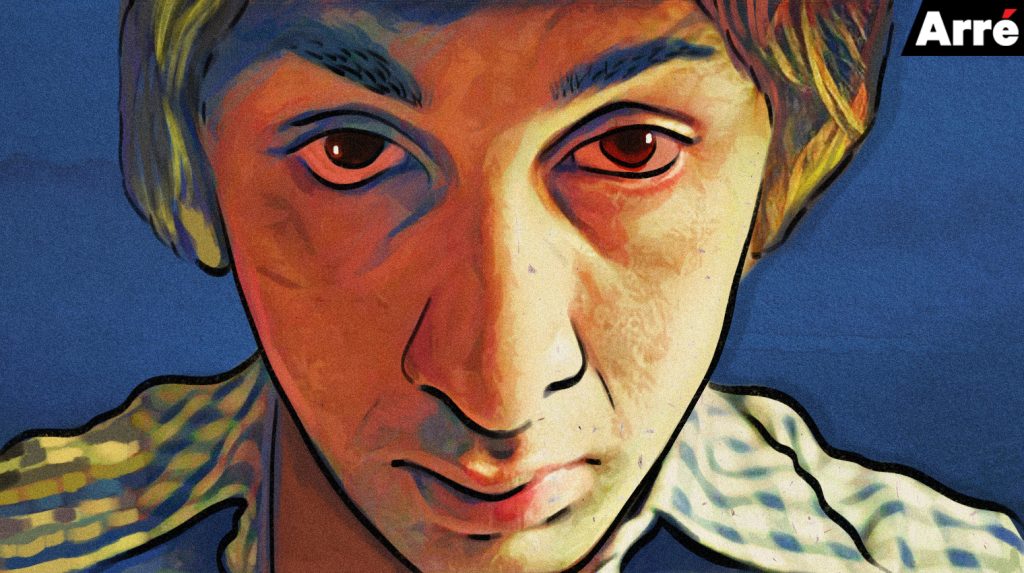
In Sanju, Ranbir Kapoor hits the peak of his physical acting. It’s a trait that has elevated most of his roles. For, Kapoor doesn’t just act or deliver lines or play fictional characters. He recreates them down to the very last detail.
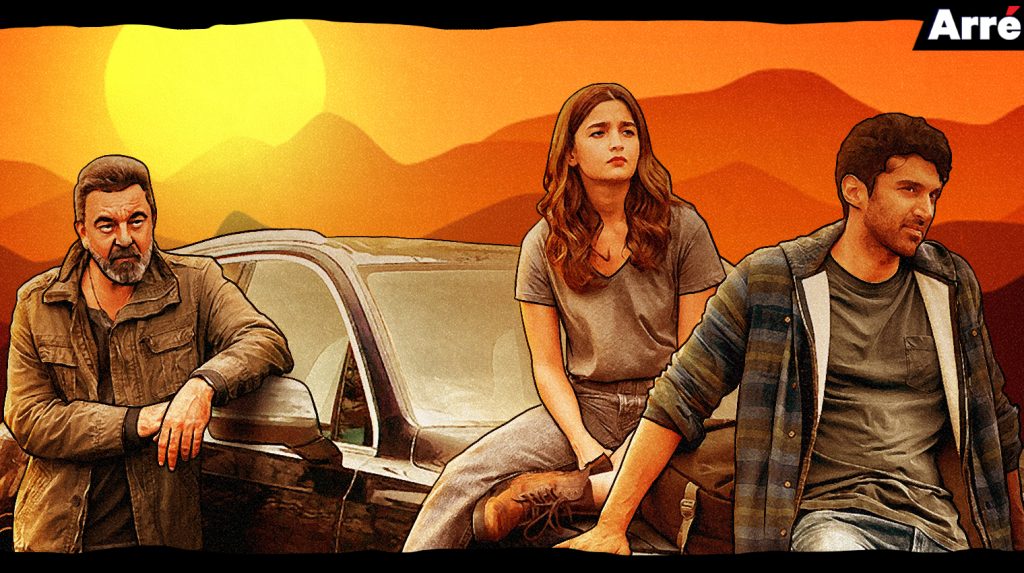
Sadak 2 is the first film that Bhatt has directed in over two decades and it shows. It is replete with the kind of 90s’ melodrama that you’d think Bollywood films would have outgrown. For a film pretending it is all about dark suspense, Sadak 2’s inconsistent tone is laughably hollow, menacing only because it refuses to end.
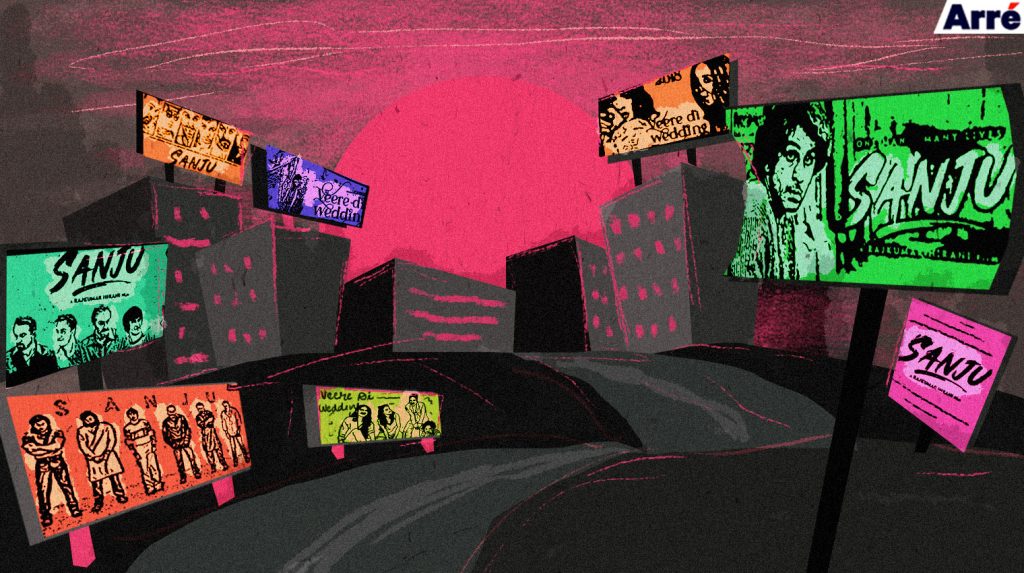
Both Sanju and Veere Di Wedding are excellent examples of bad films that were given a positive spin by Bollywood’s hype machinery. They’re a terrific demonstration of the industry’s business sense but a crushing dent to the economy of creativity and storytelling.
Oscar-winning South Korean phenomenon Parasite, directed by Bong Joon-Ho, walks on a similar path as several Bollywood plots, focusing on ugly societal norms, class divide, and striking inequality. The only difference — our love for a sprinkling of masala.