My Abba and I barely spoke. And while the lives of my friends’ fathers were not as complicated as my Abba’s, their memories of daddy-daughter conversations were limited too.
Motherhood is so often expected to come as a natural choice to women. Almost a year into the pandemic, I realised it is not for me. Here's how I revealed my choice to my father. It only brought us closer.
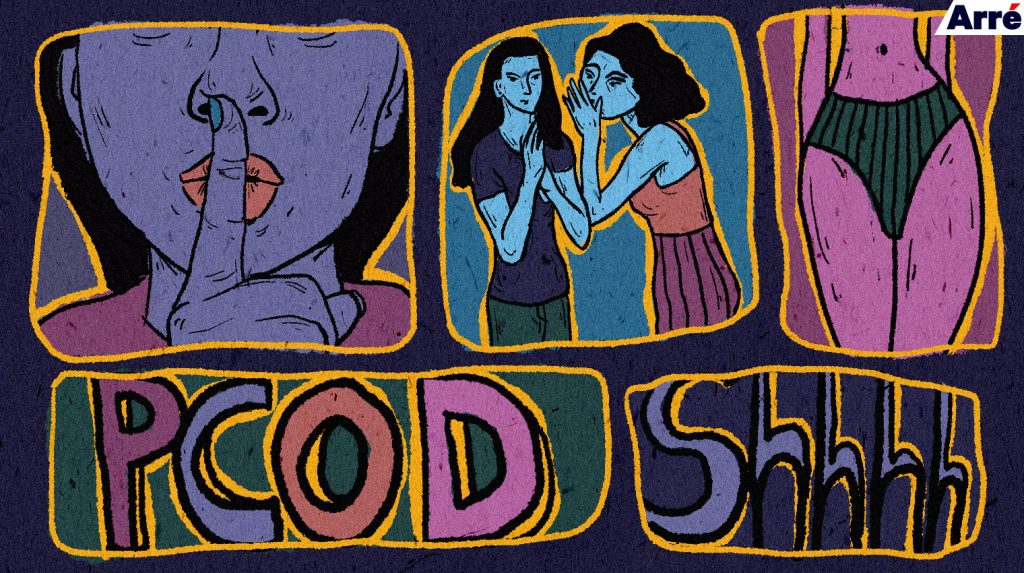
When Sara Ali Khan spoke about PCOS on a Koffee with Karan episode, I screamed, “Go girl”. I’d had the disorder – which affects one in 10 Indian women – for years before I sought help for it. But if it is so common, why are we so afraid and ashamed to talk about it?
Even before I became a 23-year-old self-identifying feminist, my dad had already defined masculinity for me in ways that the world needed to realise and understand, through actions like helping my mother with housework, and expressions of emotion, including tears.
I used to view my mother’s life as a gilded cage that she’d been forced into. But a few years of age have taught me that our mothers’ version of adulthood preserves the childhood that our generation often loses by the time we turn teens.
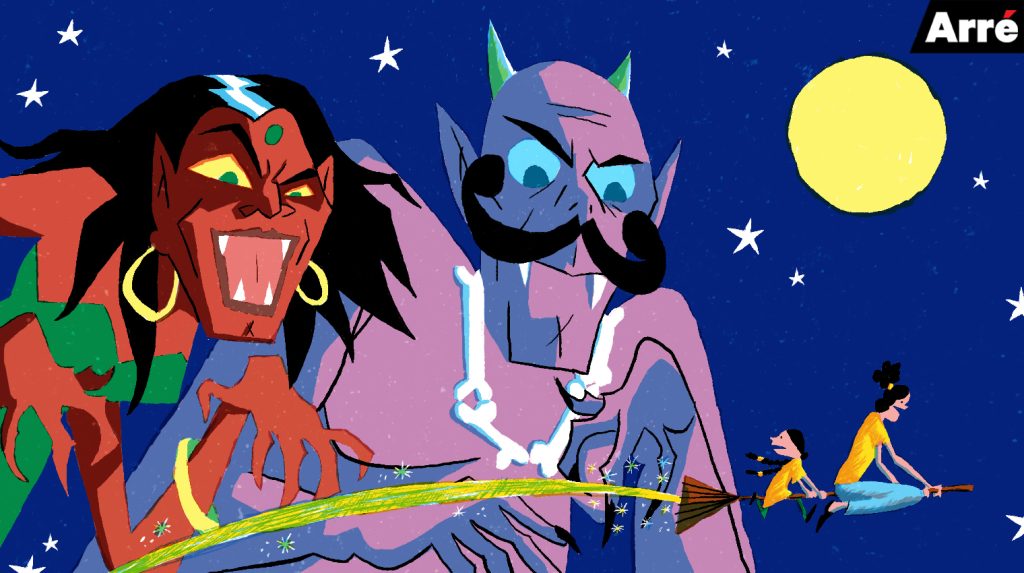
Halloween is too in-your-face. Bhoot Chaturdashi, which falls on the night before Diwali, has the kind of suspense that plays with your mind. I remember peering into the dark fearfully, thinking twice about making that trip to the bathroom on my own, lest a spirit held my body hostage.
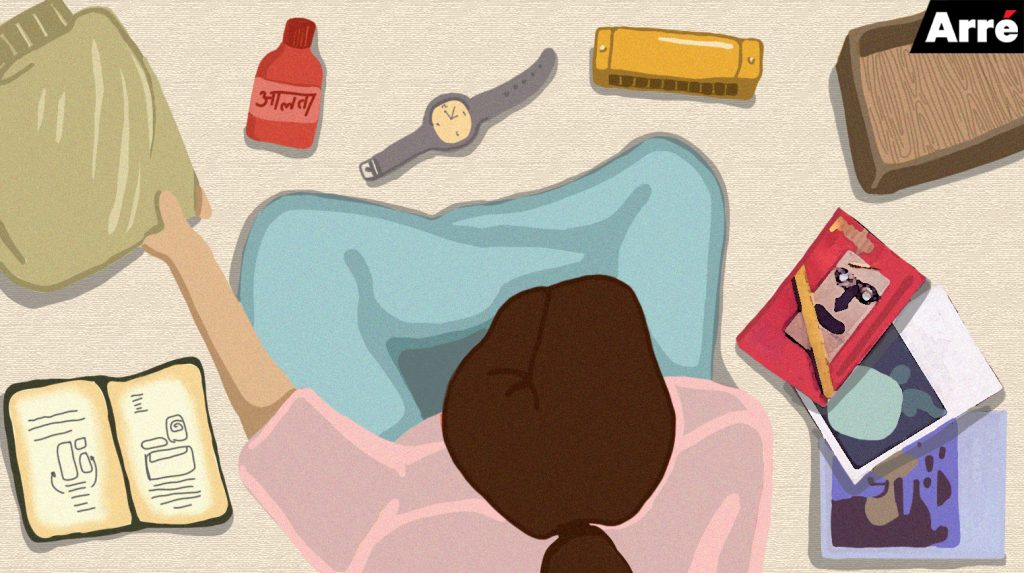
Our loved ones live on in us and in our memories, but they also live on in the little and not-so-little things they leave behind. Discarding the things that belonged to my mother and father has been a wrestling match between sentimentality and practicality.
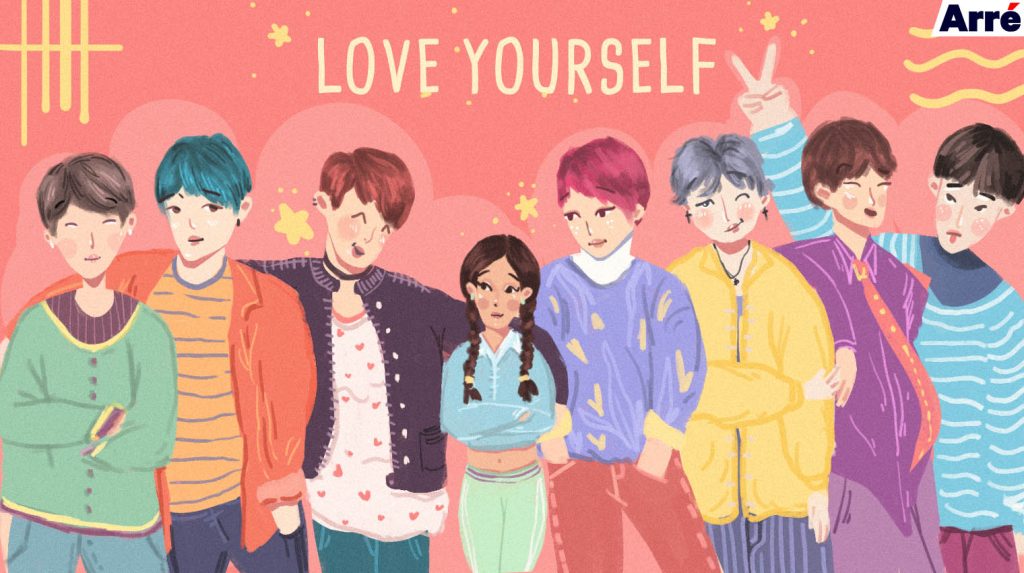
As parents we are so quick to judge our children’s behaviour and choices, often forgetting that they are also trying to deal with an overwhelming world in their own way. Maybe, that’s the part of parenting that we need to focus more on: where we listen to our kids and embrace their peculiar choices. I never imagined that listening to a K-pop band would strengthen my relationship with my daughter.
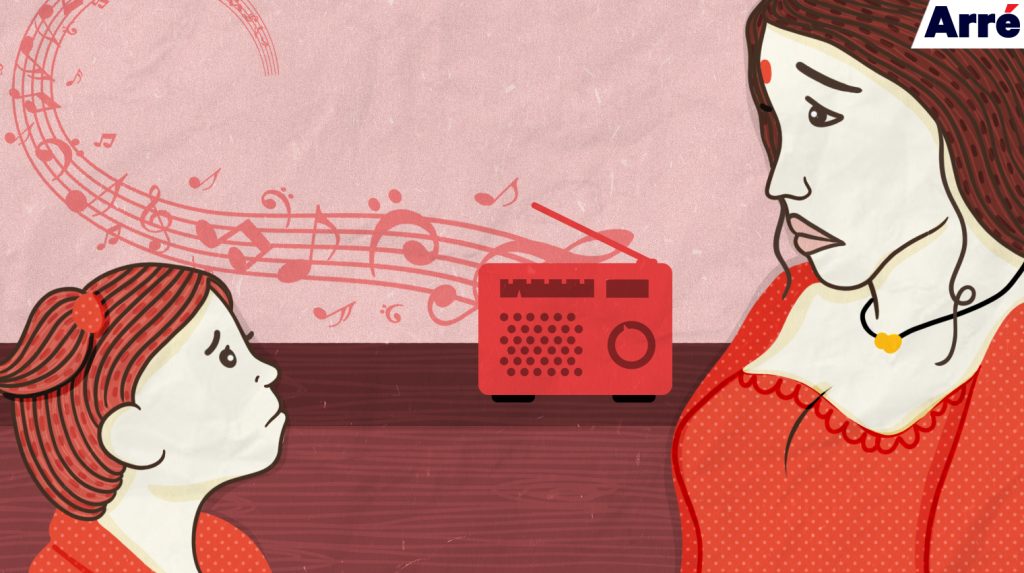
I inherited my mother’s love for sad songs. One can be happy for other people, but one cannot associate with that happiness. Sadness is more universal. When Guru Dutt laments, “Tang aa chuke hain kashmakash-e-zindagi se hum”, his kashmakash, the paradox of life, isn’t just love, it is everything.
I’ve grown up never seeing my mother bare her body in front of me. And, this personal modesty rubbed off on me when I started swimming lessons. It was only in a ladies’ locker room in San Francisco, where I saw women in different stages of undress, did I realise it was okay to be comfortable in and with my body.