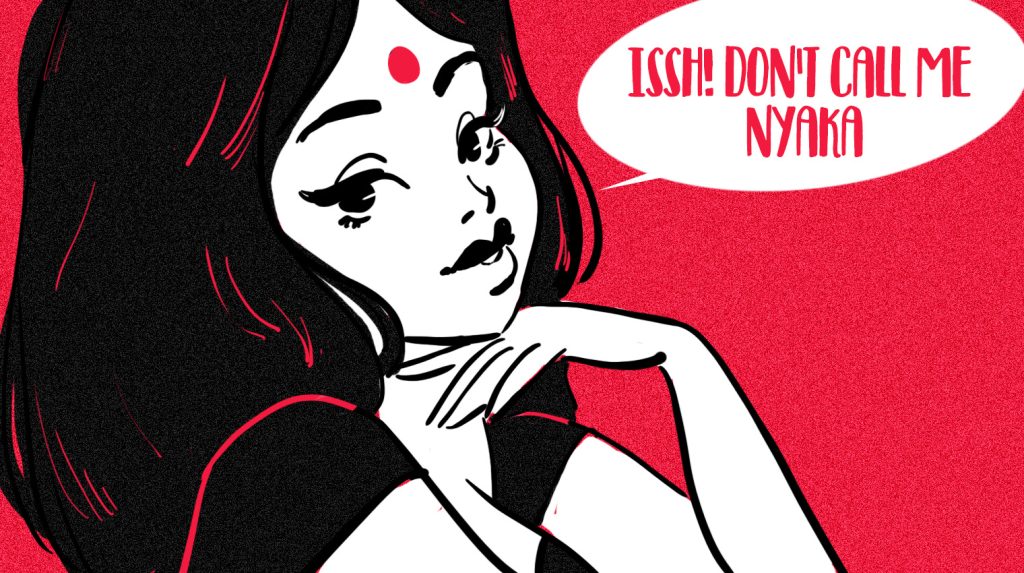
Nyakami, for the uninitiated, is the art of pretend coyness, coquetry, whining, attention-seeking, and everything in between. To think of the Urban Nyaka Girl, think of Kareena Kapoor’s Poo from Kabhi Khushi Kabhie Gham... Only, with a bit more “kalchaar”.
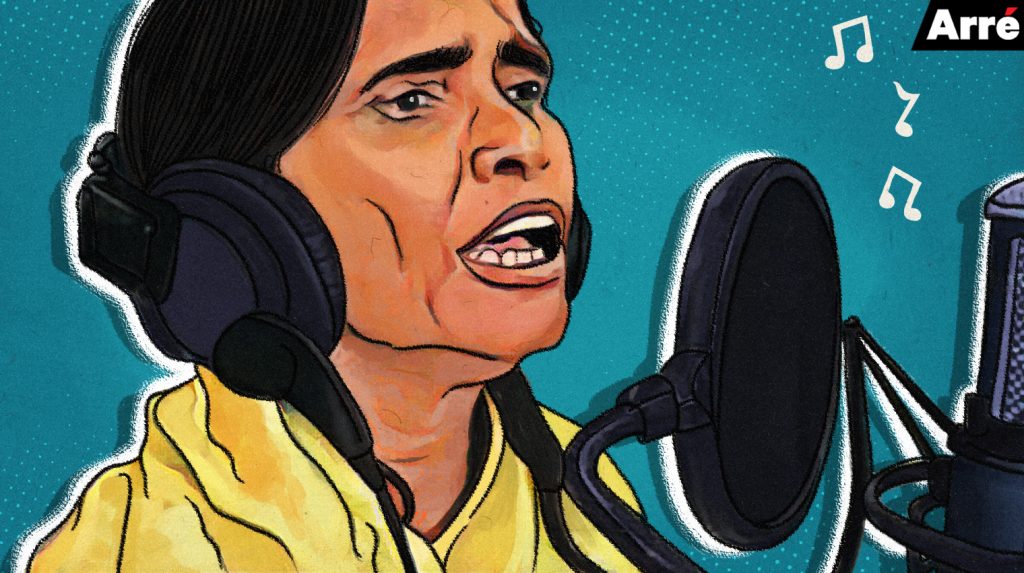
How has singing sensation Ranu Mondal managed to defy the churn of news cycles and stay in the news? Her story endures because we want to believe in it, as much for ourselves as for the singer. Even in the bleakest situations, we think there is hope and beauty to be found. It is a welcome respite from the cynicism of our age, a straw to hold on to in the ceaseless cycle of bad news.
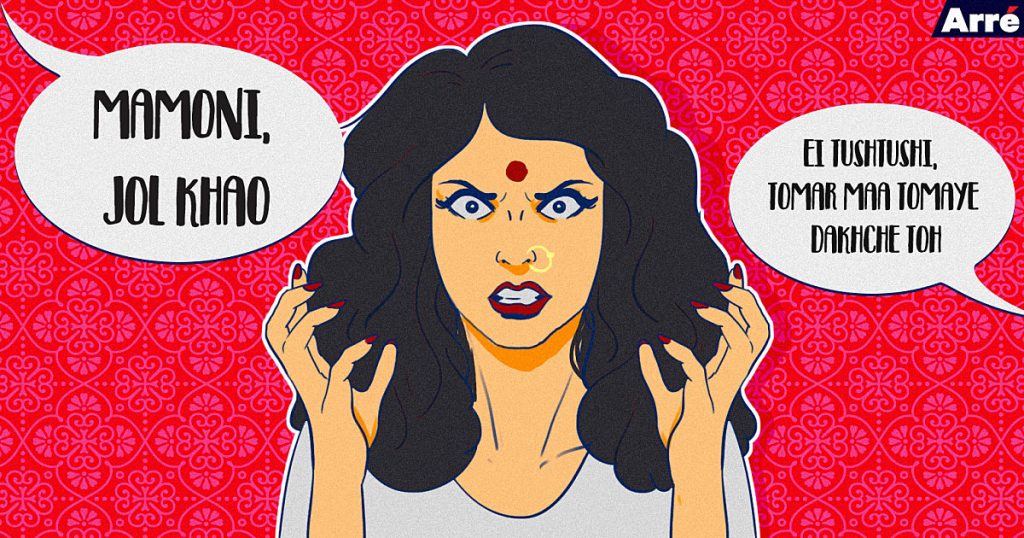
Just like Bollywood has Vivek Agnihotri and Yash Chopra has Uday Chopra, Bengalis have daak naams: It’s a part of your identity that you didn’t ask for, and one that you can’t shake off. It’s a walk of shame that never seems to end.
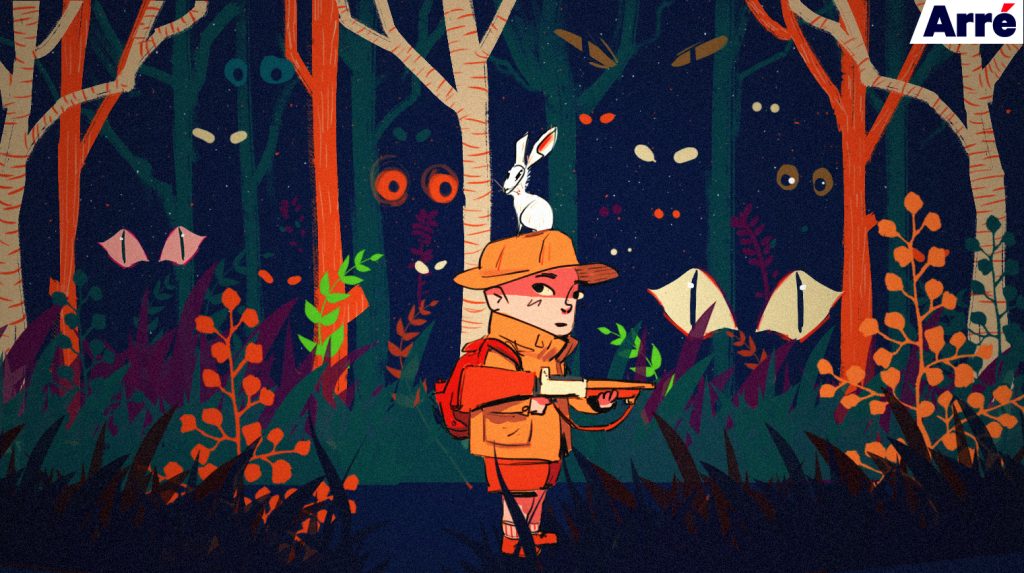
When I was 11, my head was filled with tales of shikaar from my Rajput family. But after my own hunting experience – where my uncle shot down a brown hare – I felt nothing like my hero Jim Corbett. The only thing I felt was regret.
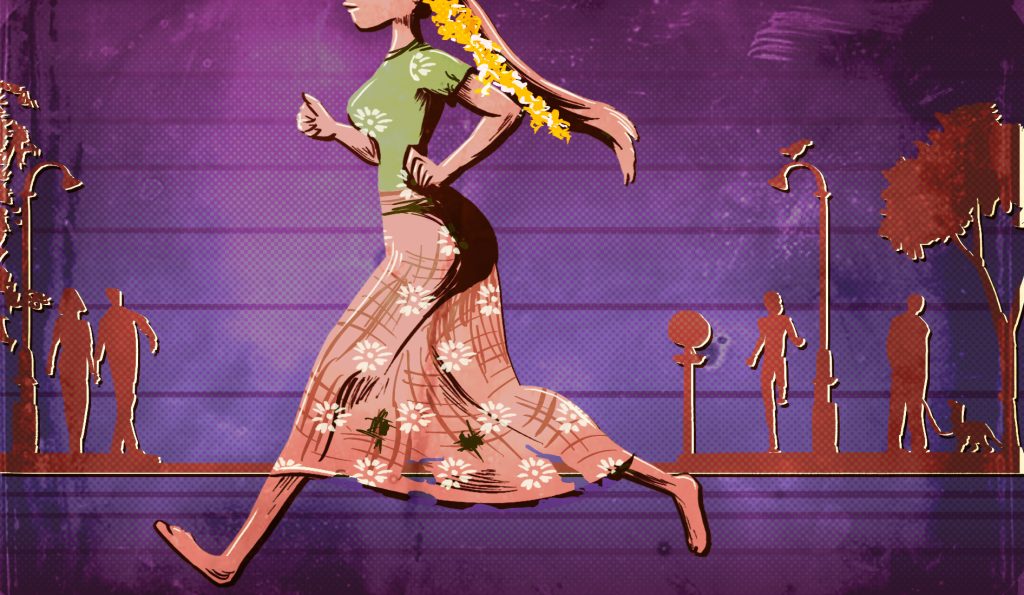
The first Indian to win a gold at Rio in 2016 was R Hepsibah, a street child from Chennai. There were no coaches for this child prodigy. Instead, she got her start running away from cops.
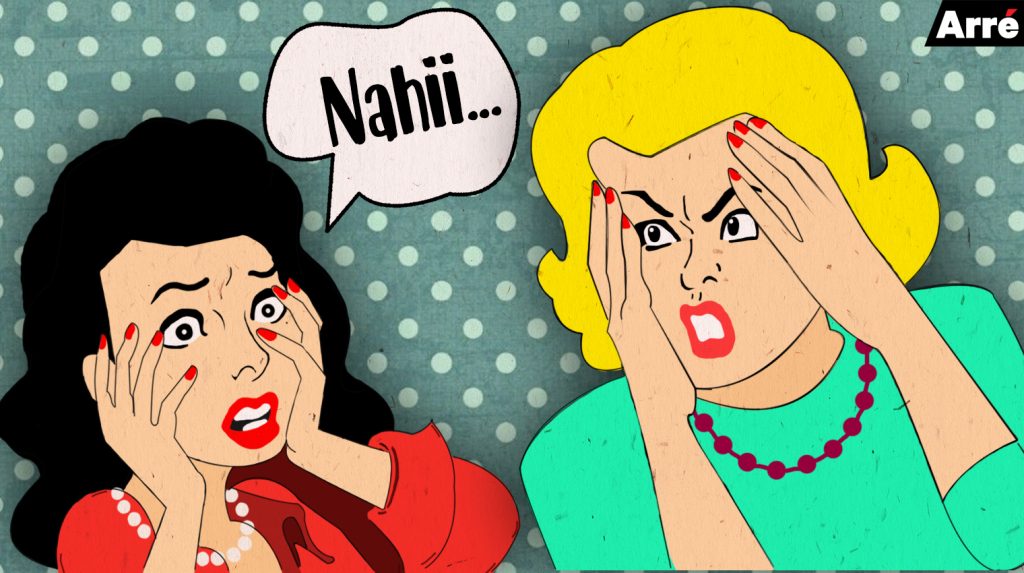
Indian joint families and the Ekta Kapoor brand of TV serials are caught in an endless loop of art imitating life imitating art imitating life. The only difference is we don’t look as pretty as the characters on TV, and we can’t change the channel when we’ve had enough.
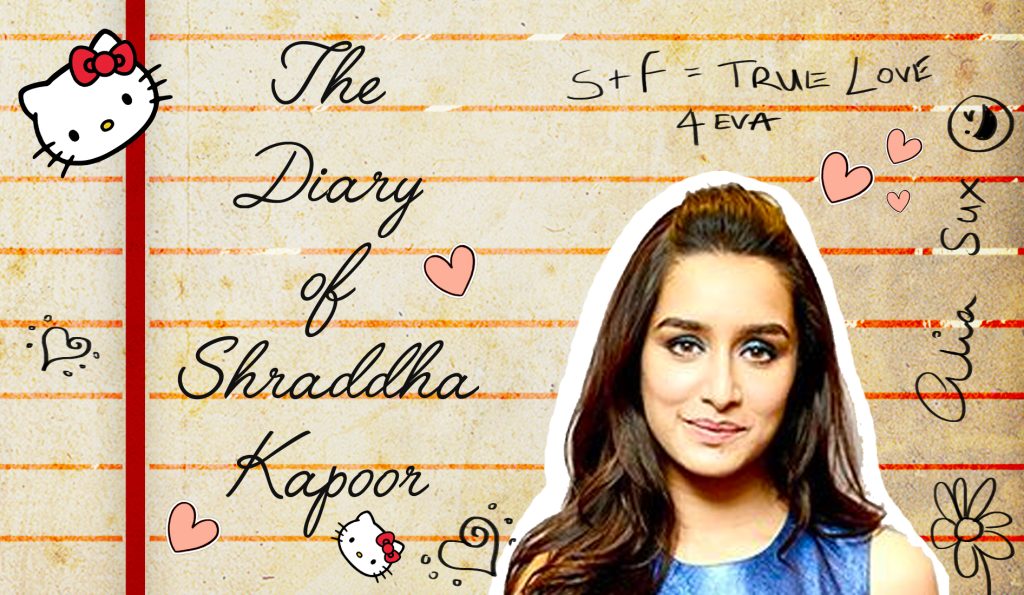
In a diary entry, Shraddha Kapoor reflects on the year gone by: “The only call I got after OK Jaanu was from KRK. It was like getting an endorsement from the Ku Klux Klan.”